Sponsored Editorial · Traditional Wellness Feature
The Forgotten Kitchen Ritual: How a Warm Honey Infusion Became Part of Daily Life After 50
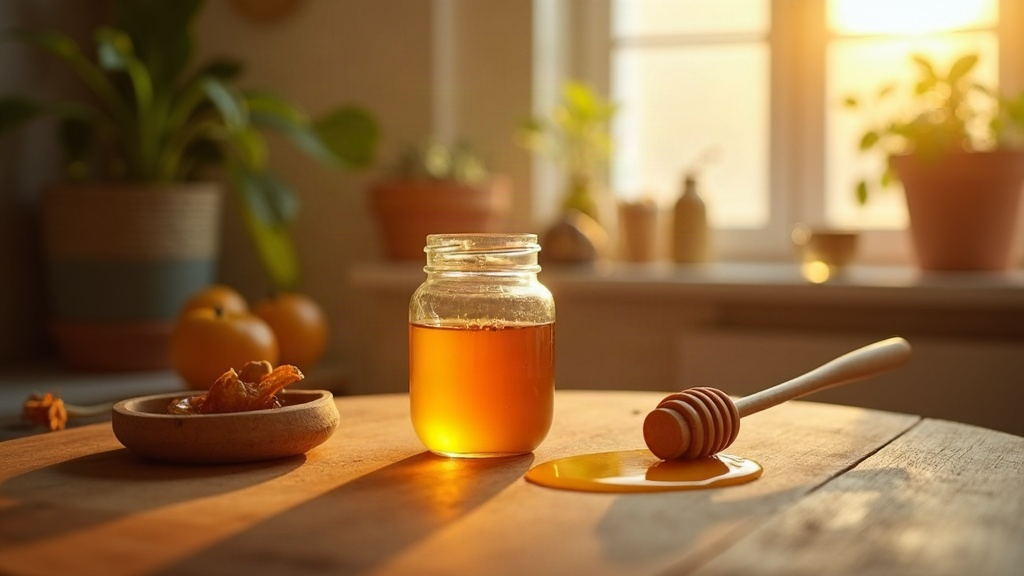
Long before supplements lined pharmacy shelves, families across the Mediterranean stirred honey into warm herbal tea each evening — a quiet habit passed down through generations, now being rediscovered by people simply curious about the natural shifts in memory and focus that arrive with age.
Why Memory Shifts After 50
Picture the scene: keys already in hand, yet a full minute is spent searching the counter for them. Or a name that sits right at the edge of the tongue during a family dinner, refusing to surface until hours later. These moments are common, quietly universal, and rarely discussed — yet they mark the beginning of a longer conversation about how the brain changes with time.
The Evening Fog That Wasn't Always There
Many people notice a mental haze settling in after dinner — the same hour their grandmothers once poured warm tea with a spoonful of honey, an old ritual largely abandoned in the rush of modern evenings.
Restless Nights, Foggy Mornings
Sleep patterns shift with age, and the quality of rest has long been tied, in both tradition and observation, to how sharp the mind feels the following day.
The Overloaded Signal
Decades of information, decisions, and daily noise accumulate. Some describe it as a filing cabinet with too many drawers open at once.
A Body Running on Older Reserves
As the decades pass, the body's baseline resources shift. What once felt effortless now sometimes asks for a little more patience and a little more care.
Myths vs. Facts About Aging and Memory
Confusion around cognitive changes after 50 is often fed by half-truths repeated so often they start to sound like certainty. Here is a closer, calmer look.
Any memory lapse after 50 signals something seriously wrong.
Occasional forgetfulness is an extremely common part of aging and is not automatically a sign of a serious condition.
Old herbal rituals, like warm honey infusions, are nothing more than folklore.
Many traditional practices persisted for generations simply because families found comfort and consistency in the ritual itself, long before modern research existed to study them.
There is nothing to do except accept the changes and wait.
Many people choose to explore small daily habits and routines out of curiosity and self-care, independent of any medical claim.
A Simple Evening Approach, Explained in Three Parts
This is not a regimen or a program — it is closer to a rhythm, one small enough to fit into an already busy life.
Step One: Notice the Pattern
Before changing anything, many people simply start paying attention to when their mind feels clearest and when it feels foggiest during the day.
Step Two: Return to the Ritual
A quiet moment in the evening — a warm cup, a few minutes of stillness — becomes a small anchor point, echoing a habit many grew up watching their elders practice.
Step Three: Make It Part of the Evening
Consistency, not intensity, is what tradition emphasized. The ritual is repeated nightly, not as a chore, but as a pause.
A Ritual Older Than Modern Medicine Cabinets
In small kitchens across the Mediterranean and parts of Eastern Europe, evenings often ended the same way for centuries: a pot of dried herbs steeped in hot water, sweetened with a spoonful of local honey, and shared slowly at the table. Grandmothers passed the habit to daughters, who passed it to their own children, rarely explaining why beyond ‘this is what we do before bed.’ Long before laboratories existed to study these plants and their properties, families relied on repetition, observation, and inherited trust. It was less about a single ingredient and more about the pause it created — a nightly ritual of slowing down in a world that otherwise offered no reason to.
The habit persisted for generations not because anyone promised a result, but because the ritual itself became part of what it meant to end the day well.
Signs Worth Paying Closer Attention To
Struggling to recall recent conversations
Details from a chat earlier that same day sometimes feel unexpectedly distant.
Losing track mid-sentence
The original point of a story occasionally slips away before it's finished.
Misplacing everyday items more often
Glasses, phones, and keys seem to wander further and more frequently than before.
Feeling mentally tired by midafternoon
A wall of fatigue arrives earlier than it used to, well before the day is done.
Needing more time to absorb new information
Learning something unfamiliar — a new app, a new route — takes noticeably longer.
Feeling overwhelmed in noisy environments
Crowded rooms or busy conversations can feel harder to follow than they once did.
Stories From People Who Brought the Ritual Back

These are individual accounts shared for illustrative purposes only. Results and experiences vary from person to person, and these testimonials are not a guarantee of any outcome.
Frequently Asked Questions
No. This content explores a traditional evening ritual and general wellness habits. It is not a treatment, therapy, or medical intervention of any kind.
Not at all. The ritual described is meant to be small and easy to fit into an existing evening, not a demanding new regimen.
Honey is one traditional component often paired with herbal tea in this old ritual, but the full context is explained in the accompanying video.
Anyone with dietary concerns, allergies, or existing health conditions should consult a qualified healthcare professional before adopting any new habit.
Many household traditions faded as modern conveniences and fast-paced routines replaced slower, generational habits passed down at home.
No. Nothing on this page is intended to diagnose, treat, cure, or prevent any disease, and it does not replace guidance from a licensed healthcare provider.
The video linked on this page walks through the tradition, its origins, and how people have incorporated it into modern evenings.
Curious How an Old-World Ritual Found Its Way Into Modern Evenings?
Watch the full story to see how a simple, generations-old habit involving warm herbal tea and honey has quietly made its way back into everyday routines.
Advertising Disclosure: This page contains sponsored content and affiliate links. The owner of this website may receive compensation if you engage with the links or offers presented on this page. This is a paid advertisement and should be viewed as such.
Content Disclaimer: This content is provided for educational and informational purposes only. It has not been evaluated by the Food and Drug Administration. Nothing on this page is intended to diagnose, treat, cure, or prevent any disease or health condition. Always consult a qualified healthcare professional before making changes to your health routine, diet, or supplement use.
Results Disclaimer: Individual results and experiences vary widely from person to person. Any testimonials or stories shared on this page are individual experiences and are not a guarantee or promise of similar results for any other individual.
© 2026 · All Rights Reserved · Questions? Visit /contact/